
Can you sue for defamation in Canada? Yes. A person or organization may bring a civil claim when a statement about them was communicated to at least one other person and would tend to harm their reputation. The claimant generally must prove defamatory meaning, reference to the claimant, and publication to a third party; falsity and reputational harm are generally presumed, subject to applicable legislation and defences.
The person who made or repeated the statement may raise defences such as truth, fair comment, privilege, consent, or responsible communication on a matter of public interest. Because limitation periods, notice requirements, court rules, and available remedies vary by province and by the type of publication, prompt legal advice can be important.
Can You Sue for Defamation in Canada?
Yes, a person or organization may bring a defamation claim in Canada when a publication meets the legal requirements, but whether the claim succeeds depends on the words used, the surrounding context, the audience, the evidence, available defences, procedural rules, and the province involved.
The shortest useful answer is this: a claimant generally needs to show that the words conveyed a defamatory meaning, referred to the claimant, and were communicated to at least one person other than the claimant. In a conventional defamation action, falsity and reputational harm are generally presumed once those elements are established. The defendant may then rely on a defence, including truth, fair comment, privilege, consent, or responsible communication on a matter of public interest.
That does not mean every offensive, unfair, embarrassing, or aggressive statement is actionable. A harsh opinion, a substantially accurate statement, satire, a protected complaint, and a provably false factual allegation can have very different legal consequences. The court assesses the publication as a whole and asks how an ordinary person would understand it in context.
For example, an accusation that a business owner stole client funds, or that a professional acted dishonestly, may cause serious reputational harm. But the wording, audience, context, and surrounding evidence matter. “I was unhappy with the service and would not hire this contractor again” may be understood as opinion. “This contractor stole deposits from clients” communicates a more specific factual allegation. The legal analysis depends on the complete publication, not just one isolated phrase.
The first question is not always whether you can show a lost contract or a specific dollar amount. In a typical defamation action, the law recognizes that defamatory publication can itself injure reputation. Once the claimant establishes the core elements, falsity and harm to reputation are generally presumed, and the defendant must rely on a defence such as truth. Actual financial loss can still matter when the claimant seeks special damages, proves business or employment consequences, supports aggravated damages, or needs to show the seriousness and extent of the harm.
This article focuses mainly on Ontario, where the process and applicable rules may differ from those in British Columbia, Alberta, Quebec, or another province. Before deciding whether to sue, examine:
- What was said or published? Save the exact words, not only a summary or screenshot without context. Record whether the statement was written, spoken, broadcast, posted, emailed, reviewed, or reposted.
- Who received it? Identify the people, customers, employees, group members, journalists, employers, professional contacts, or online audience who may have seen or heard the statement.
- How would an ordinary person understand it? A court looks at the natural and ordinary meaning, including the context, headline, photograph, hyperlink, caption, comment thread, and other surrounding material.
- What harm resulted? Consider lost business, damaged professional relationships, disciplinary consequences, employment effects, emotional distress, humiliation, or other measurable effects. Specific financial loss is not always required to establish reputational harm, but it can be important to the remedy.
- What evidence exists? Preserve messages, emails, posts, recordings, witness details, invoices, employment records, platform information, and records showing when the publication occurred.
- Which rules apply? A newspaper article, radio broadcast, television report, website, Google review, social-media post, workplace message, and private communication may raise different notice, limitation, jurisdiction, and evidence issues.
Ontario’s governing statute for many publication-specific issues is the Libel and Slander Act. The general limitation framework appears in Ontario’s Limitations Act, 2002, while court procedure is governed by the Ontario Rules of Civil Procedure. The Courts of Justice Act also matters, including the anti-SLAPP procedure in s. 137.1 and the statutory jurisdiction of Ontario’s courts.
Legislation and procedure last checked for this article: August 25, 2026. Check the current consolidated versions again before relying on a deadline, notice requirement, form, jurisdictional limit, or procedural step. An online article cannot replace the official legislation, the current rules, or advice based on the facts of a particular publication.
A lawsuit is not automatically the best first move. The statement may be removed, corrected, or addressed through a demand, depending on the circumstances. It may also be protected by a legal defence, or the deadline to start a claim may create an urgent problem. Reviewing the facts early can help you assess whether an Ontario defamation claim is practical before costs and evidence issues grow.
This is general legal information, not legal advice for a specific dispute. Defamation cases are highly fact-specific, so advice should come from a lawyer familiar with the province, the type of publication involved, and the remedy you want. A licensed paralegal may assist with matters within the paralegal’s permitted scope and the jurisdiction of the applicable court, but a lawyer is generally preferable where the claim involves Superior Court relief, significant damages, complex evidence, multiple jurisdictions, an anonymous publisher, an anti-SLAPP motion, or difficult constitutional and public-interest issues.
Seven essential answers at a glance
| Answer | Short answer | What to check |
|---|---|---|
| 1. Is the statement potentially defamatory? | It may be if an ordinary person would understand it as lowering your reputation. | The exact words, meaning, tone, images, headlines, and context. |
| 2. Does it identify you? | You do not always need to be named. | Whether people who know the circumstances could reasonably identify you. |
| 3. Was it published? | It generally must have reached at least one person other than you. | The audience, recipient list, views, witnesses, and sharing history. |
| 4. Is there a defence? | Truth, fair comment, privilege, consent, and responsible communication may defeat or limit a claim. | What the publisher knew, why they published it, and the facts supporting the statement. |
| 5. Can you sue online? | Yes, online publication can support a claim. | Evidence preservation, anonymous accounts, republication, jurisdiction, and platform records. |
| 6. What deadline and forum apply? | There is no single Canada-wide answer. | The province, publication type, statutory notice, limitation rules, court jurisdiction, and remedy sought. |
| 7. What remedy and litigation risk should you expect? | You may seek damages, correction, apology, removal, or other relief, but public-interest expression can create anti-SLAPP risk. | The appropriate court, realistic objective, costs, evidence, and strength of the defences. |
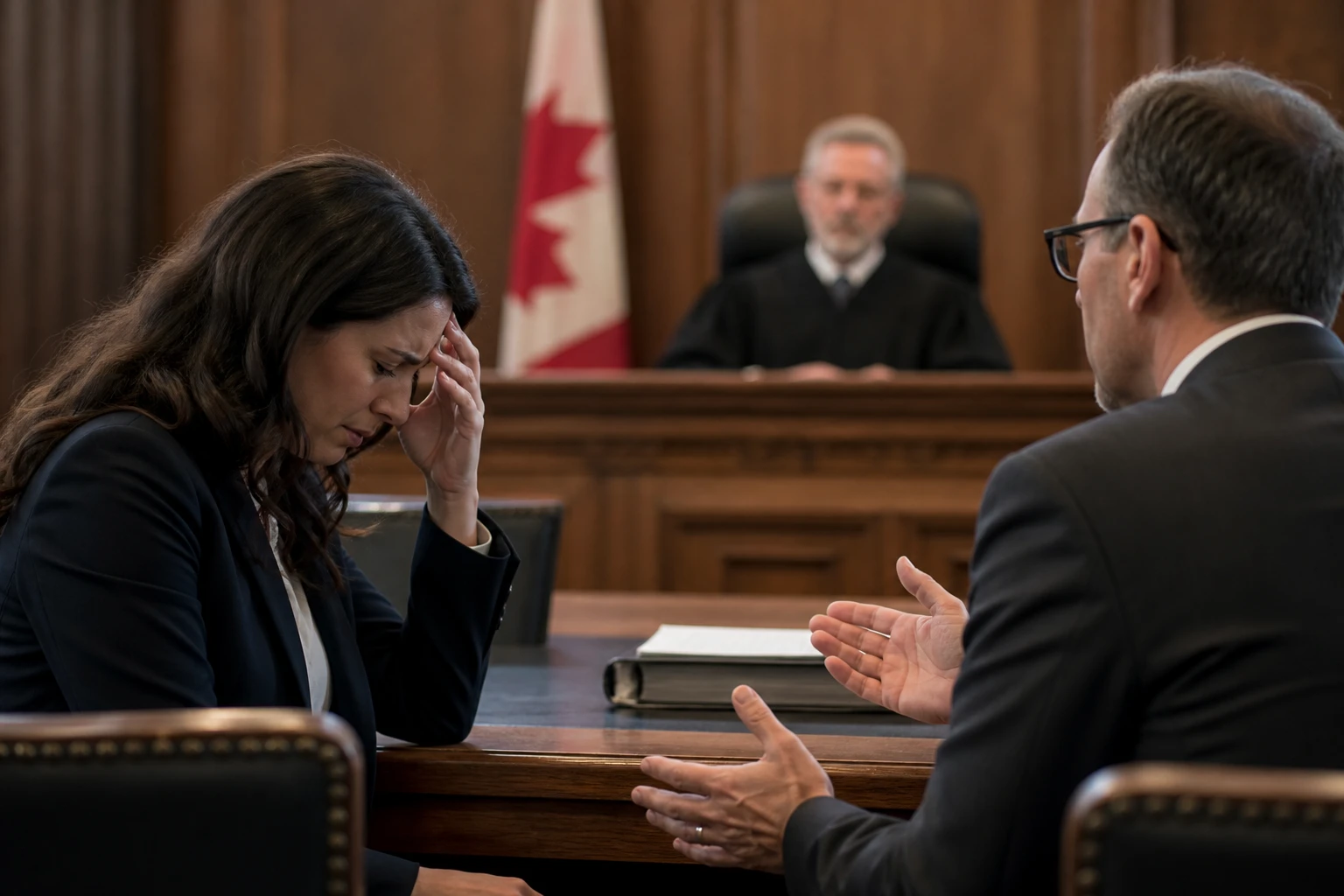
What Counts as Defamation of Character in Ontario?
In Ontario, defamation generally involves a statement that would lower a person’s reputation in the eyes of a reasonable member of the public, refers to that person, and was communicated to at least one other person. The claimant generally proves those three core elements: defamatory meaning, reference, and publication to a third party. Once those elements are established, falsity and reputational harm are generally presumed in a conventional defamation action, subject to the applicable law and any defence.
This does not mean every offensive statement is actionable, or that a claimant automatically receives a particular amount of money. The court examines the publication as a whole, the ordinary meaning of the words, the setting, the audience, and the defendant’s evidence. Actual economic loss is not always necessary to prove the basic claim because reputational injury may be presumed. However, proof of actual loss can still matter when the claimant alleges lost sales, a cancelled contract, lost employment, professional discipline, or another specific financial consequence.
The Supreme Court of Canada’s decision in Grant v. Torstar Corp. is a leading authority on the basic structure of Canadian defamation law and on the responsible communication defence. Grant explains that the plaintiff must establish defamatory meaning, reference, and publication; it also explains the public-interest responsible-communication analysis. The case does not mean that every public-interest statement is protected. The publisher must also show responsible conduct in the circumstances.
Another important authority is Hill v. Church of Scientology of Toronto. Hill is particularly important for the Canadian approach to presumed damages, the seriousness of reputational injury, and the balance between reputation and freedom of expression. It should not be cited as if it decides every modern online-publication question. Grant and Hill provide foundational principles, while later decisions apply those principles to different media, audiences, procedural motions, and remedies.
When reviewing a current Ontario matter, counsel may also consider later authorities involving online publication, public-interest expression, forum disputes, and anonymous defendants. For example, the Supreme Court of Canada’s decision in Haaretz.com v. Goldhar addresses jurisdiction and forum non conveniens in a defamation dispute involving publication across borders. The Supreme Court’s anti-SLAPP decisions, including 1704604 Ontario Ltd. v. Pointes Protection Association, explain the operation of Ontario’s s. 137.1 procedure. Those cases do not replace the statutory text or determine the result of every social-media claim, but they illustrate why forum and motion strategy should be assessed before filing.
The Three Core Parts of a Defamation Claim
- The statement is defamatory. The words must carry a meaning that would tend to lower the claimant’s reputation in the eyes of a reasonable person. Calling someone a “thief” or alleging that a business falsifies invoices may qualify because those words can communicate factual misconduct. A harsh opinion, insult, parody, review, or criticism is not automatically defamation; context and the ordinary meaning of the words matter.
- The statement identifies the claimant. The person does not always need to be named. A post, email, recording, photograph, or conversation can refer to them indirectly if people who know the circumstances would reasonably understand who was being discussed. A vague reference to an unnamed person may be insufficient if nobody could identify the claimant from the publication and surrounding facts.
- The statement was published to someone else. In defamation law, “publication” means communication to at least one person other than the claimant. A private message sent only to the person accused of misconduct may not satisfy this part. A workplace email copied to a colleague, a public review, a radio broadcast, a media article, or a social-media post may.
These elements are distinct from presumed falsity and presumed reputational harm. The claimant generally does not begin by proving the entire financial impact of the statement, and a claimant is not always required to call a customer who cancelled a contract. Instead, the claimant must establish that the words were defamatory, referred to them, and reached at least one third party. The law generally then presumes that the defamatory words were false and caused reputational injury unless the defendant establishes a defence or the applicable legal framework changes the analysis.
Evidence of actual harm remains valuable. It may show the seriousness of the publication, support a claim for special damages, establish lost income or business, demonstrate that an employer or regulator acted on the allegation, or support aggravated damages based on the defendant’s conduct. A claimant who wants compensation for a specific lost contract should preserve the contract, correspondence, financial records, and witness evidence connecting the loss to the publication. General reputational harm and special economic loss are related but not identical concepts.
Ontario law commonly distinguishes libel from slander. Libel usually concerns written, posted, printed, recorded, or otherwise durable words, while slander traditionally concerns spoken words or gestures. That distinction can affect how a claim is assessed, including the evidence needed to show lasting publication and harm. Modern digital communications can make the line less intuitive, so classify the publication based on the actual medium and applicable legislation rather than assuming that every online communication fits neatly into one category.
Even when all three parts appear present, the claim may still fail if a defence applies. Truth, privilege, fair comment, responsible communication, and consent are examples that can change the outcome. Preserve the exact wording, date, platform, audience, and surrounding context before deciding whether to pursue a Toronto defamation claim in Small Claims Court. That resource is a starting point only; confirm whether the court can provide the remedy you need and whether the matter falls within the licensed service provider’s permitted scope.
How Do You Prove a Defamation Suit?
In Canada, you generally do not have to prove that the statement was false as part of your initial defamation case. Once the claimant establishes defamatory meaning, reference to the claimant, and publication to a third party, falsity and reputational harm are generally presumed, and the defendant may rely on truth as a defence. Your evidence must still show exactly what was communicated, how it would be understood, who received it, and why the publication refers to you or your business.
Presumed reputational harm is not the same as presumed financial loss. A claimant may not need to prove that a particular customer stopped buying or that a particular employer refused a job to establish the basic tort. But if the claimant seeks compensation for lost income, a lost contract, reduced business revenue, medical expenses, or another identifiable financial consequence, evidence of that actual loss can be important. A court may also consider evidence of actual impact when assessing the seriousness of the harm and the appropriate damages.
Does the Statement Have to Be False?
Practically, your case should address whether the words were true, false, misleading, or presented without important context. A statement such as “the contractor stole my deposit” makes a factual allegation. “I would never hire this contractor again” is more likely to be understood as opinion, depending on the surrounding words and circumstances. Courts examine the meaning a reasonable reader would take from the publication, not simply what the author says they intended.
Truth is generally a defence that the defendant must establish. This is why a claimant should investigate the underlying facts before starting a claim. A statement can be damaging and still be legally protected if it is substantially true. Conversely, a publication can create risk even if it contains a technically accurate detail but presents that detail in a materially misleading way. The complete article, thread, video, image, hyperlink, and caption may all affect the meaning.
Build an evidence file before the post, review, or message changes. Preserve:
- the exact wording, including spelling, punctuation, headings, captions, and images;
- screenshots showing the full page, account name, date, time, comments, and visible audience;
- the URL, publication channel, and evidence of edits, deletions, reposts, or hyperlinks;
- the original email, message, audio file, video, or recording where available;
- witness names and statements from people who saw or heard the communication;
- evidence of resulting harm, such as lost work, cancelled business, damaged relationships, disciplinary consequences, or messages from people who relied on the statement; and
- records showing when you first became aware of the publication and when each later version appeared.
Do not crop the statement so tightly that the reader cannot see who published it or what appeared around it. Save the material in its original form where possible, keep the file metadata, and make a contemporaneous note explaining how you obtained it. If a witness saw the statement in person, record the witness’s name, location, approximate date, exact words remembered, and whether anyone else was present. Do not pressure a witness to adopt wording they did not use.
Context can change the meaning. A headline may make an allegation sound factual even when the article later qualifies it. A hyperlink, photograph, comment thread, or repost may add a different implication. A video may communicate meaning through tone, editing, gestures, and images as well as spoken words. Preserve the surrounding material, not just the sentence you find offensive.
Keep a dated chronology: when the statement appeared, who saw it, what you did, and what changed afterward. For a practical overview of how Canadian tort law principles apply to civil claims, review the related resource, but obtain case-specific legal advice before relying on a post or screenshot as proof.
Finally, avoid treating the number of views as the only evidence of harm. A publication sent to a small but influential audience—such as an employer, licensing body, key customer, or professional association—may be significant even without a large public view count. Conversely, a large view count may be difficult to authenticate unless the platform data, sharing history, or witnesses support it.

What Defences Can Defeat a Defamation Claim in Canada?
The main defences to a Canadian defamation claim include truth (justification), fair comment, responsible communication on a matter of public interest, qualified privilege, absolute privilege, and consent. Each defence has specific requirements, and the right defence depends on the exact words used, who published them, where they appeared, and why they were communicated.
Truth or justification
If the defendant proves that the allegedly defamatory statement was substantially true, the claim may fail even if the words damaged the plaintiff’s reputation. Minor inaccuracies do not necessarily defeat this defence, but a defendant generally cannot rely on a statement that changes the overall meaning in a materially misleading way.
The defendant’s evidence may include documents, contracts, photographs, expert evidence, witness testimony, public records, or other reliable material. A claimant should not assume that a statement is false simply because it is incomplete or unpleasant. At the same time, a defendant cannot necessarily turn a few accurate facts into a broader false allegation. The court looks at the meaning conveyed by the publication as a whole.
Fair comment
Fair comment protects genuine opinions on matters of public interest, such as a restaurant review, political criticism, or commentary about a public business. The comment must be recognizable as opinion, based on facts that are stated or understood, and honestly held. A statement presented as fact, or an opinion motivated by malice, may fall outside the defence.
Labelling a post “my opinion” does not automatically create fair comment protection. Courts consider the words, the context, the available facts, the platform, and how a reasonable reader would understand the communication. “I would not use this service again because the project was late” communicates a negative opinion. “This company falsified its invoices” communicates a specific factual allegation that may require proof.
Responsible communication
Responsible communication can protect a publication about a matter of public interest where the publisher acted responsibly in trying to verify and report it. The court may consider the seriousness of the allegation, the reliability of the source, whether the subject was contacted for a response, whether the publisher gave the subject a fair opportunity to respond, the urgency of the matter, and whether the publication accurately reflected the available information.
The existence of public interest is not enough by itself. A publisher must still show responsible conduct in the circumstances. A serious allegation may call for more careful verification than a minor criticism. The defence may be relevant to journalism, public commentary, consumer information, and other communications, but its application depends on the evidence surrounding the publication.
Privilege and consent
Qualified privilege may apply where someone has a legal, social, or moral duty to communicate information to someone with a corresponding interest—for example, a workplace reference or a complaint made to an organization with authority to investigate. Malice can defeat it. A person cannot necessarily create a privilege simply by describing a public accusation as a warning or complaint.
Absolute privilege offers stronger protection for certain settings, including statements made in judicial proceedings or legislative debates, even where the words would otherwise be actionable. The protection is tied to the legally protected occasion. Repeating the same allegation outside that setting may raise a separate issue and should not be assumed to receive the same protection.
Finally, consent may be a defence where the plaintiff agreed to the publication or its circulation. Consent depends on what was actually authorized. Agreeing to an interview is not necessarily agreeing to every headline, edit, caption, or later republication. These issues are highly fact-specific.
If you are weighing your options, a lawyer who handles defamation matters in your area should assess the publication and context before you rely on any defence. A licensed paralegal may be appropriate for a matter within the paralegal’s authorized scope, but should not be treated as a substitute for a lawyer where the case requires Superior Court litigation, complex constitutional analysis, extensive damages evidence, cross-border advice, or a remedy outside the applicable jurisdiction.
Defamation Act Ontario: What Should You Check?
Ontario does not have a statute formally titled the “Defamation Act.” When people search for the “Defamation Act Ontario,” they are commonly referring to the Libel and Slander Act, together with the Limitations Act, 2002, the Rules of Civil Procedure, the Courts of Justice Act, and the common-law principles developed by Canadian courts.
Check four layers before starting an Ontario defamation action: the Libel and Slander Act, the Limitations Act, 2002, the Ontario court rules, and the common-law principles governing defamation.
The current official Ontario text of the Libel and Slander Act should be checked directly. The official Limitations Act, 2002 should also be reviewed for the general limitation framework. For civil procedure, consult the current Rules of Civil Procedure. Verify the “current version” or amendment information shown on those pages before relying on a provision.
1. Identify the publication and the potential statutory rules
Start by recording exactly what was communicated, when it was published, who received it, and whether it appeared in print, broadcast media, a website, or social media. The Libel and Slander Act contains special rules for particular publications, including provisions connected with notice, corrections, apologies, and the assessment of damages. Do not assume that a correction automatically ends the claim or that an apology has no legal effect.
For auditability, the provisions most often requiring review include:
- Section 5 of the Libel and Slander Act: review the statutory notice and commencement requirements that may apply to claims involving a newspaper or broadcasting undertaking. Confirm the current wording, the type of defendant covered, the triggering date, the recipient, the permitted method of delivery, and any exceptions.
- Sections 6 and 7: review the provisions dealing with the effect of notice, the circumstances in which a failure to give notice may matter, and the related procedural consequences. Do not assume that an informal email satisfies the Act.
- Sections 8 and 9: review the provisions concerning correction, apology, payment, or other responses that may affect damages or the conduct of the action. A correction or apology may reduce the practical dispute without necessarily eliminating every claim.
- Sections 10 to 12: review the provisions relevant to evidence, mitigation, and the assessment of damages, including the effect of a correction, apology, retraction, or continued publication where applicable.
- Sections 13 and following: review any additional provisions relevant to the specific defendant, medium, pleading, evidence, and remedy. The section number alone is not enough; read the current consolidated text and any applicable case law.
The section references above are a signpost for review, not a substitute for reading the current statute. The Act’s application depends on the publication and defendant. Before publication of this article, the consolidated Ontario statute was checked on August 25, 2026. Check it again before relying on any section, because amendments, judicial interpretation, and the precise type of publication can change the analysis.
Ontario’s statutory notice provisions are particularly important for certain claims against a newspaper or a broadcasting undertaking. In broad terms, the Act can require written notice after the claimant learns of the publication and can impose a time limit for commencing the action. The exact provision, method of service, content, and exceptions must be checked against the current Act and the facts. A claimant should not assume that sending an informal email to an editor, broadcaster, or social-media account satisfies a statutory notice requirement.
The notice rules should not be described as one universal rule for all publications. A newspaper publication and a radio or television broadcast may engage specific provisions of the Libel and Slander Act. A website publication, Google review, Facebook post, Instagram caption, TikTok video, Reddit thread, or other social-media publication may not fit the same statutory category simply because it is widely accessible. Those online publications still raise limitation and evidence issues, but the newspaper and broadcast notice provisions should not automatically be applied to them.
Workplace emails and private messages also require separate analysis. A message sent to one colleague, manager, regulator, or customer may be a publication to a third party, but the circumstances may support qualified privilege. The legal analysis depends on the recipient’s interest, the publisher’s duty, the purpose, the wording, and whether malice is alleged and supported.
2. Check every deadline
Ontario defamation claims can involve more than one time limit. Check the general limitation framework, any shorter period that may apply to the publication involved, and any statutory notice deadline. The Limitations Act, 2002 contains Ontario’s general limitation scheme, but a defamation claim may be affected by provisions specific to libel and slander. The date of first publication, the date of discovery, later publications, the identity of the defendant, and the type of medium can all matter.
Do not state a single deadline without tying it to the applicable provision and publication type. The general limitation framework is not a universal answer for every defamation dispute. A newspaper article, radio broadcast, television report, website page, Google review, workplace communication, and social-media post must be analyzed according to the current statute, rules, and case law applicable to that medium.
For example, claims involving newspapers or broadcasting undertakings may engage notice and commencement provisions in the Libel and Slander Act. Those provisions should not be generalized to every website or social-media post. Website and social-media publications may instead require analysis under the general limitation framework, discoverability principles, common-law rules, and any issue created by republication. A new view, share, comment, or repost does not automatically restart every clock.
A claimant who waits while a post circulates may face an argument that the claim is late, even if the original statement remains easy to find. Preserve the first publication date, later reposts, screenshots, URLs, and evidence showing when you discovered the statement. If you do not know the exact date, record the earliest and latest possible dates and explain how you learned about the publication.
3. Check the pleading and procedural requirements
The claim should identify the words complained of, their ordinary or defamatory meaning, the publication to at least one other person, and the harm alleged. Court rules may also govern the correct court form, service, jurisdiction, and responses to a defence. A vague allegation that someone “damaged my reputation” is not a substitute for pleading the specific words and circumstances.
In an online claim, identify the account, page, website, profile, email address, or organization connected to the publication as accurately as possible. If the publisher is anonymous, the procedural route for obtaining identifying information may need to be considered before naming a defendant. Do not guess at the identity of an account holder or name a platform without analyzing its role and the applicable law.
4. Check the leading authorities and current publication date
Leading Canadian authorities provide the legal framework, but the facts of each case remain decisive. Grant v. Torstar Corp. is a leading Supreme Court of Canada decision on defamation, responsible communication, and the public-interest balance. Hill v. Church of Scientology of Toronto is another leading authority on defamation, presumed damages, reputation, and freedom of expression. These decisions should be read from the current CanLII versions and considered alongside later authorities.
For Ontario anti-SLAPP procedure, s. 137.1 of the Courts of Justice Act is the statutory starting point. The Supreme Court of Canada’s decision in 1704604 Ontario Ltd. v. Pointes Protection Association explains the general structure of the anti-SLAPP analysis, including the need to consider whether the proceeding arises from expression relating to a matter of public interest and whether the plaintiff has met the applicable statutory burden. Ontario appellate decisions have since applied that framework to particular pleadings and evidentiary records.
For forum questions, Haaretz.com v. Goldhar is relevant because it considers jurisdiction and forum non conveniens in a defamation dispute involving online and cross-border publication. The practical lesson is not that an Ontario claimant can sue wherever a post is technically accessible. The claimant should identify the defendant’s location, the audience, the place where reputation is established, the location of witnesses and evidence, and the jurisdiction with the strongest connection to the dispute.
For anonymous online publishers, Ontario courts may require a claimant to take procedural steps to identify a John Doe defendant before the claim can proceed effectively. The evidence should connect the anonymous account to an actual publication, establish an arguable claim, and explain why disclosure is necessary. A platform or internet service provider may not hold complete records, may be outside Ontario, or may require its own notice and response process. Anonymous-account procedure should therefore be assessed early.
Because legislation, rules, and case law can change, verify the current Ontario text and primary court authorities before relying on any deadline, notice rule, correction, apology provision, damages rule, or procedural step. Record the date on which you checked the official legislation and case authorities. An online article that does not identify its publication date or that links to an old version should not be treated as current legal authority.
Can You Sue for Defamation Online or on Social Media?
Yes. You may be able to sue for a defamatory statement published through a Facebook post, Instagram caption, TikTok video, Reddit discussion, Google review, email, or group message if it was communicated to someone other than you and meets the requirements of a defamation claim.
Digital publication is still publication. A false Google review accusing a contractor of stealing deposits, a Facebook post calling someone a criminal, or an email sent to a person’s employer can cause legal harm even when the author posted from a personal account. The size and nature of the audience matter strategically: a private email to an employer is different from a public TikTok viewed by thousands, but both may require careful analysis.
Do not assume that an online publication requires proof of a precise number of views or a lost sale before it can be actionable. Publication to one third party can satisfy the publication element. The audience evidence becomes important when assessing meaning, seriousness, damages, jurisdiction, and whether the statement reached people capable of affecting your personal or professional reputation.
What makes online defamation harder to handle?
Online evidence can disappear quickly. The author may delete the post, edit a caption, deactivate an account, or remove a video after others have shared it. Take dated screenshots that show the full account name, URL, publication date, comments, shares, and surrounding context. Save the original link and preserve copies of relevant emails, direct messages, and group-chat messages. Do not alter the material or respond with accusations that create a second dispute.
Where possible, preserve the page in more than one format. Keep a PDF or print-to-file copy, a full-screen screenshot, the original URL, downloaded media, and a written note describing what you saw and when. Ask witnesses to preserve what they received rather than forwarding or editing it. If the platform displays view counts, engagement information, or audience settings, capture those details as they appeared at the time.
An anonymous account does not necessarily end the matter. A court may be asked to order a platform or internet service provider to disclose identifying information, but that process can involve procedural requirements, privacy concerns, jurisdictional issues, and records that are incomplete or already gone. The claimant should be prepared to explain why the proposed defendant is the likely publisher, why the claim is legally arguable, and why the requested disclosure is necessary. A lawyer can assess whether the available evidence supports seeking disclosure and whether the likely benefit justifies the cost.
Reposting creates another issue. Someone who repeats or republishes an allegedly defamatory statement may create separate exposure, although the facts and available defences must be assessed individually. A person who merely provides a technical service may raise different legal questions from the original author or an active republisher. Do not name every account, platform, or person who appears in the sharing history without legal analysis.
Posts made outside Ontario can also raise jurisdiction questions, particularly where the author, platform, audience, and alleged harm are in different provinces or countries. A publication accessible in Ontario is not automatically a straightforward Ontario claim. Before threatening a claim, identify who saw the material, where they were located, where your reputation is established, and where the practical harm occurred.
Online disputes also create a risk of amplification. Repeating the allegation in a demand, reply post, public video, or media interview can increase the number of people who see it. A careful strategy may describe the publication privately and precisely rather than reproducing it unnecessarily. Preserve the evidence before asking a platform or publisher to remove anything, and obtain advice before making public accusations about the alleged defamer.
What Should You Do Before Filing a Defamation Claim?
Before filing a defamation claim, preserve the evidence, stop public retaliation, identify who published the statement and who saw it, and obtain legal advice before contacting the publisher.
- Save the statement as it appears now. Take full-page screenshots showing the words, account or website name, date, URL, comments, shares, and surrounding context. Save the original link, download videos or images where possible, and keep copies in more than one location. A post may be edited or deleted after you raise the issue.
- Record the audience and reach. Note whether the statement was sent privately, posted in a workplace group, published on a public website, or shared through social media. Keep evidence of views, comments, reposts, emails, or messages showing that other people received it.
- Identify the publisher. Record the person or organization behind the account, publication, email address, website, or repost. Do not assume the first account you see is the original source. The original publisher and someone who repeats the statement may raise different issues.
- Check whether the statement is still available. A continuing online publication can affect the practical urgency of the situation. It may also matter when a limitation period is assessed, so do not delay while trying to negotiate informally.
- Do not respond with threats or counter-allegations. An angry reply, review, or social-media post can create fresh evidence and potentially expose you to a separate dispute. Keep communications factual and private.
- Preserve your own records. Keep employment records, customer correspondence, cancelled contracts, invoices, professional notices, complaint records, and messages showing how the publication affected you. Do not create a document that exaggerates the impact or asks others to give evidence they cannot support.
- Write down the timing. Record when you first learned about the publication, when you first saw it, when you contacted anyone about it, when it was edited or deleted, and when later copies appeared. Timing can affect notice, limitation, discovery, and the credibility of the evidence.
Should You Send a Demand Letter for Defamation?
A demand letter for defamation may seek removal, a correction, an apology, preservation of records, or an undertaking not to republish the statement. It can resolve the problem without litigation, but contacting the publisher is not automatically the best first move.
Sending a letter may alert the publisher, encourage deletion, prompt a repeat publication, or affect how limitation and notice issues are assessed. A demand letter should identify the publication accurately without unnecessarily reproducing it. It should also avoid asserting facts that cannot be supported, threatening criminal consequences for a civil dispute, or promising that a lawsuit will be filed when the client has not made that decision.
Have a Canadian defamation lawyer review the evidence and proposed wording first. The right next step depends on the statement, the publisher, the audience, and whether a correction would actually repair the harm. If you are considering a Small Claims Court proceeding within the permitted monetary jurisdiction, a licensed paralegal may assist with a matter within the paralegal’s authorized scope, but should not advise beyond that scope or suggest that Small Claims Court can provide remedies it does not have.
If the publication concerns a newspaper or broadcasting undertaking, get advice about any statutory notice requirements before sending a general demand. A demand for removal is not necessarily the same as legally sufficient notice under the Libel and Slander Act. The notice provision, recipient, delivery method, timing, and content should be verified against the current official legislation.
When should you get urgent advice?
Get urgent legal advice if the publication is still spreading, identifies you as having committed a crime or professional misconduct, has been sent to an employer or regulator, comes from an anonymous account, involves a newspaper or broadcaster, concerns a matter of public interest, crosses provincial or international borders, or may be approaching a notice or limitation deadline.
Do not wait for a post to accumulate a particular number of views before seeking help. Urgency is determined by the evidence, the publication type, the risk of deletion or republication, and the procedural steps that may be needed—not by a universal view count or financial-loss threshold.
What Remedies Are Available in a Canadian Defamation Claim?
A Canadian defamation claim may result in monetary damages, removal or correction of the publication, an apology, an injunction in appropriate circumstances, and an order requiring the unsuccessful party to contribute to legal costs. The exact remedies depend on the court, the pleadings, the evidence, settlement terms, and the law applicable to the publication.
Monetary damages
Damages may compensate for harm to reputation, humiliation, emotional distress, and—where the evidence supports it—financial loss. A claimant does not necessarily need to prove a specific lost dollar amount to seek general damages for reputational harm. The law can presume injury to reputation once the elements of the claim are established. Evidence of actual loss nevertheless matters when the claimant seeks special damages or wants to show the scale and consequences of the publication.
The court will consider factors such as the seriousness of the allegation, how widely it was published, whether it remained accessible online, the claimant’s reputation before publication, the position and influence of the defendant, whether the defendant apologized or corrected the statement, whether the defendant persisted, and the defendant’s conduct after learning of the complaint.
For example, an accusation of criminal dishonesty published to a large audience may be treated more seriously than a vague criticism shared privately. An allegation sent to a licensing body or a key employer may be significant even if the audience is small. Aggravated damages may be considered where the defendant’s conduct increased the harm, while punitive damages are reserved for particularly harsh, malicious, or high-handed conduct. No fixed award is guaranteed: the evidence and circumstances of the individual case matter.
Special damages are different from general damages. They concern specific financial losses that can be linked to the defamatory publication, such as a cancelled contract, lost employment opportunity, or identifiable reduction in revenue. Preserve the documents that support the link. A bare statement that “my business suffered” may not establish the amount or cause of a claimed economic loss.
Removal, correction, and an apology
A claimant may seek removal of a post, correction of the record, or an apology. These terms are often negotiated in a resolution, especially where the publisher is willing to retract the statement quickly. A correction can be more useful than a damages award when the immediate concern is stopping readers, customers, employers, or professional contacts from relying on the statement.
Ontario’s Libel and Slander Act contains provisions that may affect the legal and damages consequences of a correction, apology, retraction, or offer to make amends, particularly for specified publication types. Review the current statutory provisions dealing with corrections, apologies, and mitigation before advising a client that a correction will have a particular effect. The wording, timing, prominence, and completeness of the correction can matter.
Removal is not always a complete remedy. Copies may have been downloaded, indexed, reposted, quoted, or shared in private groups. A carefully worded correction may reach fewer people than the original allegation. The parties may therefore negotiate the placement, wording, duration, audience, and format of a correction or apology. Do not assume that a publisher’s voluntary removal prevents a claim or resolves all damages issues.
Injunctions and legal costs
An injunction may restrict further publication or require specific steps, but courts approach this remedy cautiously because it can limit freedom of expression before all issues are finally determined. It is more likely to be considered where the risk of continued, serious harm is clear and other remedies may not be adequate. A claimant seeking an injunction may need to proceed in the Superior Court rather than Small Claims Court.
Legal costs may also be awarded, although they are not automatic and will not necessarily cover every dollar spent. The court can consider the parties’ conduct, the reasonableness of their positions, settlement efforts, offers to settle, and the result of the proceeding when deciding costs. A person should not assume that winning a defamation case means recovering all legal fees.
Anti-SLAPP motions in Ontario
Ontario’s anti-SLAPP procedure is another important consideration in some public-interest defamation disputes. Section 137.1 of the Courts of Justice Act, available in the current official Ontario Courts of Justice Act, permits a defendant to bring a motion to dismiss a proceeding arising from expression relating to a matter of public interest.
The procedure is not a general defence to every criticism or every defamation claim. It is a motion mechanism that can require the plaintiff to satisfy the statutory test, while the defendant must address the expression and the public-interest issue under the legislation. If the plaintiff cannot meet the applicable statutory test, or if the defendant establishes the required grounds, the court may dismiss the proceeding at an early stage. The court may also address costs and other consequences under the Act.
A publication about a public official, public health, consumer safety, corporate conduct, environmental concerns, or another issue affecting the community may raise anti-SLAPP questions. Public interest does not mean merely that the publication was popular or that people were interested in it. The court examines the legal test and the evidence. A claimant should therefore consider the risk of an anti-SLAPP motion before starting a proceeding that challenges public-interest expression.
Anti-SLAPP litigation can be procedurally and financially significant. It may involve affidavits, cross-examinations, a detailed review of the publication and evidence, and arguments about the strength of the claim, the public interest, and the harm alleged. A lawyer is generally preferable where s. 137.1 may apply. Do not treat a general demand letter or a Small Claims Court resource as a substitute for advice about this Superior Court procedure.
Where Do You File a Defamation Claim in Ontario?
In Ontario, you generally file a defamation claim in the court that has jurisdiction over the parties, the events, and the remedy you are seeking—not simply the court closest to you.
For a Toronto claimant, the likely starting point may be the Ontario Superior Court of Justice in Toronto or the Small Claims Court location with jurisdiction, but the correct location depends on the applicable venue and jurisdiction rules. Consider where the defendant resides or carries on business, where the publication occurred, where the audience was located, where the claimant’s reputation is established, and where witnesses and records can be found. Toronto residence alone does not automatically make every dispute a Toronto proceeding.
For many claims, the Ontario Superior Court of Justice is the relevant forum, particularly where the case is legally complex, involves substantial damages, requires an injunction, seeks removal or other non-monetary relief, involves anonymous defendants, raises public-interest expression, or may attract an anti-SLAPP motion under s. 137.1 of the Courts of Justice Act. The Superior Court’s procedure is more formal and can involve pleadings, documentary production, examinations, motions, expert evidence, and a trial.
Small Claims Court has a more limited role. As of the current Ontario court framework, the Small Claims Court monetary jurisdiction is generally claims for money or the recovery of personal property up to $50,000, exclusive of interest and costs. Check the current official Ontario information and rules before filing because jurisdictional limits and procedures can be amended. The official Ontario Small Claims Court Rules should be read with the government’s current guidance on suing someone in Small Claims Court.
Small Claims Court can be suitable for a straightforward monetary claim within its jurisdiction. It generally does not provide the same broad range of non-monetary relief that a claimant may seek in the Superior Court. If your main goal is an injunction preventing further publication, a mandatory correction, a complex disclosure order to identify an anonymous publisher, or another remedy outside the Small Claims Court’s authority, the Superior Court may be required.
Do not select Small Claims Court only because the amount of money you want is below the monetary limit. A defamation case may still be unsuitable if the pleadings are complex, there are multiple defendants, the publication crosses provincial or international borders, extensive evidence is required, or the defendant intends to bring an anti-SLAPP motion. The court’s monetary jurisdiction is not the same thing as a guarantee that every defamation remedy is available there.
The right forum can change based on details such as:
- Relief sought: damages, removal of a publication, a correction, an apology, an injunction, or another court order may require different procedures.
- Value of the claim: the amount claimed may determine whether Small Claims Court is available, but the monetary limit should be checked against the current official rules.
- Complexity: multiple defendants, extensive online publication, expert evidence, anonymous accounts, public-interest expression, or difficult jurisdictional issues may favour the Superior Court.
- Location: consider where the defendant resides or carries on business, where the statement was published, where the claimant’s reputation is established, and where reputational harm occurred.
- Procedural risk: consider service, a possible motion to dismiss, limitation issues, statutory notice, and whether the case can be pleaded clearly in the selected court.
Before filing, identify each defendant, preserve the allegedly defamatory words and publication details, calculate the damages or other relief sought, and confirm the applicable court forms and service requirements. Filing in the wrong forum can create delay, added expense, or procedural problems. A lawyer should review the forum where the claim involves Superior Court relief or meaningful anti-SLAPP, jurisdiction, or constitutional issues.
For a practical overview of the choices, review the firm’s Ontario defamation legal services and its Toronto Small Claims Court defamation resource. Treat those materials as starting points, then verify the current court jurisdiction and filing requirements for the particular claim. A licensed paralegal may assist only within the paralegal’s authorized scope and court-jurisdiction limits; do not rely on a paralegal for advice or representation outside those limits.
What should a Toronto claimant bring to an initial consultation?
A Toronto claimant should bring the complete evidence file rather than only the most offensive sentence. A local legal service provider will commonly want to understand the publication, the audience, the defendant, the timing, the claimant’s objectives, and the likely court process before recommending a response.
- the original post, article, review, email, message, recording, or video;
- full-page screenshots, URLs, account names, dates, comments, shares, reposts, and audience settings;
- a chronology showing when the statement appeared and when the claimant first learned about it;
- the names and contact information of people who saw or heard the publication;
- documents showing lost work, cancelled contracts, client complaints, professional consequences, or other actual effects;
- copies of any response, correction, apology, removal request, demand letter, or communication from the publisher;
- information about the publisher’s location, identity, business, account, website, or possible connection to an anonymous profile;
- any information suggesting that the publication concerns public-interest expression; and
- a clear statement of the desired outcome, such as removal, correction, apology, damages, identification of the publisher, or an agreement not to republish.
That preparation does not require you to prove the entire case before the first meeting. It gives the lawyer or licensed paralegal a reliable starting point and helps separate the original publication from later interpretations, assumptions, and consequences. Do not manufacture evidence, edit messages, ask witnesses to change their recollections, or exaggerate damages. A clean record is more useful than a large but unreliable file.
How Long Do You Have to Sue for Defamation in Canada?
There is no single Canada-wide deadline for a defamation lawsuit: the applicable limitation period can depend on the province, the date of publication, the type of medium, later republication, discoverability issues, statutory notice, jurisdiction, and the procedural steps required before starting a claim.
In Ontario, the general limitation framework is set out in the current Limitations Act, 2002, but defamation claims must also be reviewed against the Libel and Slander Act. Do not treat the general two-year framework as a complete answer without checking whether a publication-specific rule or notice requirement applies. The relevant date may also be disputed, particularly where the claimant learned of a publication later or where there were separate publications by separate publishers.
That makes the publication date important. Save the original post, article, email, review, recording, or broadcast, along with the date and time it first became available. A later repost, edited version, or separate communication may create a different limitation issue, but you should not assume that every new view or share automatically restarts the clock.
What can change the deadline?
- The province involved: Ontario’s rules may differ from those in British Columbia, Alberta, Quebec, or another jurisdiction.
- The type of publication: Newspaper, broadcast, website, social-media, workplace, and private communications can be treated differently under applicable legislation and case law.
- Statutory notice requirements: Claims involving a newspaper or broadcasting undertaking may engage specific notice provisions under Ontario’s Libel and Slander Act. A claimant may need to provide written notice after learning of the publication. Verify the exact provision, recipient, delivery method, and deadline.
- Online publications: A website, Google review, Facebook post, Instagram caption, TikTok video, or other social-media publication should not automatically be treated as a newspaper or broadcast publication for notice purposes. The general limitation framework, discoverability, republication, jurisdiction, and common-law principles may instead require analysis.
- Discoverability: In some circumstances, the date you knew or reasonably ought to have known about the claim may matter. It is not safe to assume this postpones every defamation deadline or overrides a shorter statutory notice requirement.
- Republication: A second publication can raise fresh questions, but it does not erase the need to assess the first publication promptly. A share, quote, comment, or repost may be legally different depending on who made it and what was communicated.
- Identity of the publisher: If the publisher is anonymous, time may be needed to investigate or seek disclosure. That practical difficulty does not automatically suspend every deadline.
- Corrections and negotiations: A correction, apology, removal request, or settlement discussion may affect the dispute, but do not assume that informal negotiations stop the limitation clock.
For example, if a false review appeared online on March 1 and was reposted on April 15, preserve both versions and identify who published each one. Do not wait until the second date before getting advice; the first publication may remain legally significant. If a newspaper article was published on one date and a broadcaster repeated the allegation later, analyze the publications separately because different statutory and procedural questions may apply.
Notice is not the same as starting an action. A letter to a publisher may be required in some Ontario newspaper or broadcast circumstances, but it does not necessarily commence a court proceeding. Conversely, filing a claim without first satisfying a statutory notice requirement may create a procedural problem. The current statute should be checked carefully, and the notice should be prepared and delivered in a legally effective manner where required.
Before relying on any deadline, have a Canadian defamation lawyer verify the current limitation rules against the relevant province’s official legislation and recent court authorities. Bring the publication dates, copies of the statements, audience information, and any demand-letter or removal correspondence. Early legal advice can prevent a potentially valid claim from being lost through delay. Record the date on which the legislation and authorities were checked because an undated online explanation may no longer reflect the current law.
Defamation Claim Ontario: When Is Legal Advice Especially Important?
Legal advice is especially important when a defamation claim could affect your safety, licence, livelihood, business, or ability to meet a filing deadline. Some allegations are also harder to assess than they first appear: context, audience, publication history, and available defences can change the risk considerably.
Situations that need early legal review
- Criminal or professional misconduct allegations: A post accusing someone of fraud, assault, theft, sexual misconduct, or regulatory breaches can create serious reputational and financial consequences.
- Anonymous publishers: If the statement came from an anonymous account, a lawyer can assess the steps needed to identify the publisher before deciding how to proceed.
- Widespread online publication: A statement shared in a local group is different from one reposted across multiple platforms, indexed by search engines, or sent to customers and colleagues. Preserve the original URL, screenshots, dates, usernames, and sharing history.
- Media or public-interest publications: Articles involving public officials, companies, health, safety, or other public-interest topics may raise additional issues about responsible communication, fair comment, privilege, and the Ontario anti-SLAPP procedure.
- Business or employment harm: Record lost contracts, cancelled interviews, workplace discipline, client complaints, or other specific consequences. General embarrassment is harder to evaluate than documented financial or professional damage, although proof of actual financial loss is not always required for the basic defamation claim.
- Multiple publications: Repeating the same allegation in separate emails, posts, reviews, or broadcasts can require a publication-by-publication analysis.
- Urgent removal concerns: If the statement is still spreading, speak with counsel before deleting evidence or responding publicly. A rushed reply can create another publication or escalate the damage.
- An approaching limitation deadline: Do not wait until the final days. Counsel may need time to investigate, identify defendants, preserve evidence, serve statutory notice where required, and select the correct court process.
- A possible anti-SLAPP motion: If the expression concerns a matter of public interest, a defendant may seek dismissal under s. 137.1 of the Courts of Justice Act. The risk should be evaluated before filing, not after the proceeding has already become expensive.
A lawyer reviewing an Ontario defamation claim can help separate a viable case from an arguable but costly dispute. The review may address the three core elements, presumed falsity, presumed reputational harm, actual economic loss, defences, statutory notice, limitation, jurisdiction, pleadings, remedies, costs, and settlement strategy.
Advice from a Toronto defamation lawyer may be particularly useful when the publisher, audience, or resulting harm spans more than one location. If the matter is a straightforward monetary dispute within Small Claims Court’s current jurisdiction, a licensed paralegal may be able to assist within the scope permitted by Ontario law. That scope does not extend to every defamation matter. A lawyer is generally required or preferable where the matter belongs in Superior Court, involves an injunction or other non-monetary relief, raises anti-SLAPP issues, requires complex motion work, or involves significant cross-jurisdictional questions.
How Canadian Tort Law Fits Into a Defamation Lawsuit
Defamation is a civil tort in Canada, so a lawsuit seeks a legal remedy for reputational harm—not criminal punishment. In practical terms, the person bringing the claim is the plaintiff, the person or organization accused of publishing the statement is the defendant, and the case proceeds through the civil courts.
Canadian tort law treats defamation as a private wrong that may justify remedies such as damages, a correction or retraction, or an order preventing further publication in appropriate circumstances. The focus is whether the publication caused actionable reputational harm to the plaintiff and whether the defendant has a recognized defence. A civil judge does not impose a criminal sentence simply because a statement was damaging.
The usual structure is important. The plaintiff generally proves that the words were defamatory, referred to the plaintiff, and were published to at least one other person. Falsity and reputational harm are generally presumed once those elements are established, although the defendant may prove truth or rely on another defence. The plaintiff may still introduce evidence of actual loss, emotional impact, professional consequences, and the extent of publication to support the remedy.
How is a civil lawsuit different from other complaints?
- Criminal complaint: This asks police or prosecutors to consider whether conduct may amount to a criminal offence. It is not a substitute for a civil claim for compensation.
- Regulatory proceeding: A professional college, licensing body, or regulator may investigate conduct and impose discipline within its authority. It may not provide the full remedy available through a defamation lawsuit.
- Employment process: An employer may investigate workplace remarks, apply its policies, or discipline an employee. That process addresses the employment relationship, not necessarily the plaintiff’s broader reputational loss.
- Platform reporting: Reporting a post to Facebook, Google, X, or another platform may lead to removal under its rules. Platforms do not decide whether you are entitled to damages under Canadian tort law.
- Demand or settlement process: A private letter may seek a correction, apology, removal, or compensation without immediately starting a court case. It does not necessarily satisfy statutory notice or stop a limitation period.
These routes can overlap. For example, a false online allegation about a regulated professional might trigger a platform report, an employer investigation, and a civil defamation claim. Each process has a different decision-maker, standard, and outcome, so choosing one does not automatically preserve every deadline or remedy available through another.
A regulatory complaint may also involve confidentiality, statutory privilege, or a duty to communicate with the regulator. That context can affect whether qualified privilege is available. Similarly, a customer review may involve fair comment if it expresses an honestly held opinion based on disclosed facts, while an unsupported allegation of criminal conduct may be analyzed differently.
FAQ: Can You Sue for Defamation in Canada?
Yes, you may be able to sue for defamation in Canada, but the result depends on what was published, who could identify you or your business, who received it, and whether a defence applies.
Can I sue someone for a false online review?
Possibly. A review may be defamatory if it presents a false statement of fact, refers to you or your business, and was communicated to at least one other person. For example, “This restaurant served me spoiled food on June 3” is different from “I disliked the service.” Preserve the full review, URL, posting date, account details, replies, and evidence showing why the factual allegation is false. A harsh review is not automatically defamation, and an honest opinion or substantially true account may be protected.
Can I sue for defamation if the statement was an opinion?
Not usually if it is clearly recognizable as opinion and based on facts that are stated or known. However, calling something an “opinion” does not decide the issue. “In my view, the contractor is dishonest” may be treated differently from “The contractor stole $10,000 from a client,” which alleges a specific fact. Context, wording, tone, and the reader’s likely interpretation all matter. A lawyer can assess whether the publication communicates an opinion, a fact, or a mixture of both.
Can an employer or business sue for defamation?
Yes. A company or employer may have a claim when a statement harms its commercial reputation—for example, a false allegation that a business falsifies safety records. The claim still depends on the ordinary elements of defamation and any available defence, such as truth, fair comment, privilege, or responsible communication. Keep in mind that a business must show reputational harm in a legally meaningful context, not merely customer dissatisfaction. Evidence of lost clients, cancelled work, or damaged commercial relationships may be important when assessing damages, even though proof of a particular financial loss is not always required to establish the basic claim.
What evidence do I need for a defamation claim in Ontario?
Gather the exact statement and proof of publication, such as screenshots, emails, posts, witness names, or platform records. Also document who was identified, the surrounding context, why the statement is false, and the practical harm—lost clients, employment consequences, corrected records, or other measurable fallout. Do not edit screenshots or rely only on a summary; preserve the original material and its date. Save the URL, account name, audience information, comments, shares, reposts, and any evidence showing when you first learned of the publication.
Do I need to prove actual financial loss to sue for defamation?
Not necessarily. A claimant generally proves defamatory meaning, reference, and publication to a third party, and falsity and reputational harm are generally presumed once those elements are established. Actual financial loss may still matter if you claim lost income, cancelled contracts, reduced business revenue, or other special damages, or if the evidence helps demonstrate the seriousness and extent of the harm.
Talk Through Your Defamation Options Before You Act
Before you respond publicly, delete evidence, or start a lawsuit, review the publication, your evidence, timing, and desired remedy with a lawyer who handles defamation matters.
That review can help determine whether the statement is actionable, what procedural steps may apply, and whether litigation is proportionate to the harm. Bring the original publication—not only a screenshot—along with:
- the exact words used, including the date, URL, account name, and audience;
- screenshots, copies, emails, messages, or recordings showing how and where it was published;
- evidence identifying who made the statement and who received or viewed it;
- any proof of lost work, damaged relationships, reputational harm, or other consequences;
- a timeline showing when you discovered the publication and what happened afterward;
- copies of any correction, apology, removal request, demand letter, or response; and
- any information suggesting that the matter concerns public-interest expression or may lead to an anti-SLAPP motion.
Be clear about what you want to achieve. Your objective might be removal of the post, a correction or apology, protection against further publication, compensation, identification of an anonymous publisher, or a practical resolution without court proceedings. Different goals may call for different strategies, and an aggressive response can sometimes increase the statement’s reach.
Timing also matters. In Ontario, the applicable limitation period may depend on the type of publication and the facts, and newspaper or broadcast publications may engage statutory notice requirements that do not apply in the same way to websites or social-media posts. Do not assume that waiting is harmless. Preserve the material first, avoid editing the original evidence, verify the current official legislation, and get advice before sending messages that could later become part of the record.
YLaw can help you assess your defamation options based on the specific publication and available evidence. Review the material through YLaw’s Ontario defamation resource or consultation route and discuss the timing, likely objectives, and remedy you are considering with the firm’s appropriate legal service provider. If the matter requires Superior Court relief, complex motion work, substantial damages analysis, or advice outside a licensed paralegal’s permitted scope, ask for lawyer-led advice.
Frequently Asked Questions
How long do I have to sue for defamation in Canada?
The limitation period for a defamation lawsuit depends on the province or territory and the circumstances of the publication. In Ontario, the general limitation framework must be considered alongside the Libel and Slander Act. Newspaper and broadcast publications may involve specific written-notice requirements and shorter procedural deadlines, while websites and social-media publications should not automatically be treated as if they were newspaper or broadcast publications. Speak with a defamation lawyer promptly and preserve the evidence before deadlines become an issue.
Can I sue someone for defamation over a social media post in Canada?
Yes, a social media post can potentially support a defamation claim if it was communicated to at least one other person, referred to you, and would tend to harm your reputation. The context, audience, wording, timing, and available defences all matter, and a claimant generally does not need to prove a specific financial loss to establish the basic elements. Save screenshots, links, dates, usernames, comments, reposts, and engagement records before the post is edited or deleted.
Can I sue for defamation if the statement is true?
Truth, also called justification, is generally a complete defence to a defamation claim. However, proving that a statement is substantially true can require reliable evidence, and a publication that combines accurate facts with a materially misleading overall meaning may still require careful analysis. Do not assume that adding “in my opinion” or quoting one accurate detail resolves the issue.
What damages can you claim for defamation in Canada?
A successful claimant may seek general damages for harm to reputation, as well as aggravated or punitive damages in appropriate cases. Specific financial losses may support a claim for special damages, but actual economic loss is not always required to establish presumed reputational harm. The amount depends on factors such as the seriousness of the words, the size and importance of the audience, the defendant’s conduct, the publication’s persistence, the claimant’s prior reputation, and the actual impact on the claimant’s reputation or livelihood.
Should I send a demand letter before suing for defamation?
A demand letter may ask the publisher to remove the statement, issue a correction or apology, preserve records, and provide compensation without starting a lawsuit. It can be useful, but its wording and timing matter—especially where provincial rules, statutory notice requirements, or limitation periods apply—so consider legal advice before sending one. A demand letter is not automatically a substitute for formal notice under Ontario’s Libel and Slander Act, and it does not necessarily stop a limitation period.
Think someone has damaged your reputation? Get in touch to discuss the facts, preserve your options, and understand the next practical step.
What Should You Remember Before Bringing a Defamation Claim?
You may be able to sue for defamation in Canada when a statement has defamatory meaning, refers to you or your business, and was published to at least one other person. You generally do not have to prove actual financial loss to establish the basic claim because falsity and reputational harm are generally presumed once those elements are shown. Evidence of lost work, cancelled contracts, professional consequences, or other measurable loss can still matter when assessing damages and proving the practical impact.
In Ontario, check the current Libel and Slander Act, Limitations Act, 2002, Rules of Civil Procedure, Small Claims Court rules, and s. 137.1 of the Courts of Justice Act. For the Libel and Slander Act, review the provisions dealing with statutory notice and commencement, corrections and apologies, and the assessment or mitigation of damages, including ss. 5 to 12 as applicable to the publication and defendant. Do not apply one general notice or deadline rule to newspapers, broadcasts, websites, and social-media publications. Newspaper and broadcast claims may involve specific statutory notice requirements, while online publications require separate analysis of the general limitation framework, discoverability, republication, jurisdiction, and evidence. A public-interest publication may also create anti-SLAPP risk for the plaintiff.
Preserve the original publication, full context, URL, date, account information, audience, reposts, witness details, and records of actual consequences. Do not edit screenshots, delete the original material, publicly retaliate, or assume that a demand letter stops the clock. If the issue is urgent, the publication is still spreading, a notice deadline may apply, or the claim may require Superior Court relief, seek Ontario legal advice promptly from a lawyer or, where appropriate and within the permitted scope, a licensed paralegal.
The seventh answer is practical: choose the remedy and forum before you choose the lawsuit. A claimant seeking only a straightforward monetary award may consider Small Claims Court if the claim fits its current jurisdiction and procedure. A claimant seeking an injunction, disclosure relating to an anonymous publisher, complex damages, relief against several defendants, or a response to an anti-SLAPP motion may need the Superior Court. A public-interest publication can create litigation risk even where the claimant believes the words are damaging. Forum, remedy, evidence, costs, and timing should be assessed together.
YLaw’s Ontario-focused resources can help you organize the facts before an initial consultation. Bring the complete publication, publication history, audience information, timing, evidence of consequences, and copies of all communications. The strongest first step is not necessarily the most aggressive one. It is the step that preserves evidence, protects your legal position, and advances the result you actually want.
If you believe a false statement is affecting your reputation, do not amplify it or wait for the evidence to disappear. Preserve the record, check the current Ontario legislation and procedure, and obtain advice about the appropriate next move.
{“@context”:”https://schema.org”,”@type”:”BlogPosting”,”headline”:”can you sue for defamation in canada: 7 Essential Answers”,”description”:”can you sue for defamation in canada? Get 7 essential answers on claims, defences, deadlines, remedies, and Ontario procedure.”,”author”:{“@type”:”Organization”,”name”:”Ylaw”},”publisher”:{“@type”:”Organization”,”name”:”Ylaw”},”datePublished”:”2026-08-25T22:52:54.932Z”,”dateModified”:”2026-08-25T22:52:54.932Z”}