
Landlord and Tenant Paralegal

Daniel English Paralegal

Landlord and Tenant Paralegal Services in Ontario

Navigating the complexities of landlord and tenant laws in Ontario can be challenging for both property owners and renters. Whether you’re dealing with rent disputes, eviction notices, or property damage claims, understanding the intricacies of the Ontario’s Housing Laws is crucial for protecting your rights and interests.

As an experienced paralegal, Daniel English is qualified to represent you at Landlord and Tenant Board (LTB) hearings. Whether you’re a landlord seeking to resolve a dispute or a tenant facing eviction, Daniel can guide you through the entire process. He will prepare your case, gather necessary evidence, file required documents, and present your arguments before the Board.

Landlord and tenant paralegal services are crucial in today’s market. This dynamic environment makes it essential to have a knowledgeable advocate on your side, whether you’re a landlord seeking to protect your investment or a tenant fighting for your rights to safe and secure housing. Daniel English provides expert guidance in navigating these complex legal waters.

landlord and tenant paralegal

How We Can Help:
Our Landlord and Tenant Paralegal Services

As experienced paralegals specializing in landlord and tenant law, we offer a range of services to help you navigate your legal dispute effectively:

  1. Case Assessment and Strategy Development: We conduct a thorough evaluation of your situation, identifying strengths, potential challenges, and developing a tailored legal strategy. This includes analyzing all relevant documents, assessing the legal merits of your case, and outlining potential outcomes.
  2. Document Preparation: We assist in preparing and filing all necessary documents with the LTB, ensuring accuracy and compliance with legal requirements. This includes drafting applications, notices, and responses, as well as gathering supporting evidence to strengthen your case.
  3. Legal Research: Our team conducts comprehensive research on relevant laws, regulations, and case precedents to support your position. We stay up-to-date with the latest developments in landlord-tenant law to provide you with the most current and effective legal advice.
  4. Representation at LTB Hearings: We provide full representation throughout the LTB process, including presenting arguments and cross-examining witnesses. Our experienced paralegals will advocate on your behalf, ensuring your side of the story is effectively communicated to the Board.
  5. Negotiation and Mediation: We employ skilled negotiation techniques to help resolve disputes without the need for a formal hearing, potentially saving time and money. Our goal is to find mutually beneficial solutions whenever possible, preserving relationships and avoiding costly litigation.
  6. Post-Hearing Assistance: If needed, we can help with enforcing LTB orders or appealing unfavorable decisions. We guide you through the process of implementing Board orders or preparing for appeals to ensure your rights are protected at every stage.
  7. Ongoing Legal Advice: We offer continuous support and guidance on landlord-tenant matters to help prevent future disputes. This proactive approach can save you time, money, and stress in the long run by addressing potential issues before they escalate.
 

Our approach to landlord and tenant paralegal cases is characterized by meticulous preparation, strategic thinking, and a commitment to achieving the best possible outcome for our clients. Our extensive experience in this area of law allows us to navigate the complexities of the LTB system efficiently, giving you a significant advantage in your legal dispute.

Examples of Landlord and Tenant Paralegal Issues We Handle

As experienced landlord and tenant paralegals, we handle a wide range of issues, including:

  1. Non-Payment of Rent: Assisting landlords in recovering unpaid rent or helping tenants defend against unfair eviction notices. We understand that financial difficulties can arise unexpectedly, and we work to find solutions that balance the needs of both parties.
  2. Property Damage Claims: Representing either party in disputes over damage to rental properties. We help assess the extent of damage, determine responsibility, and negotiate fair compensation or repairs.
  3. Eviction Proceedings: Guiding landlords through the legal process of eviction or defending tenants against unlawful eviction attempts. We ensure that all legal requirements are met and that the rights of both parties are respected throughout the process.
  4. Lease Violations: Addressing issues related to breaches of lease agreements by either landlords or tenants. This can include unauthorized subletting, illegal activities on the premises, or failure to provide agreed-upon services.
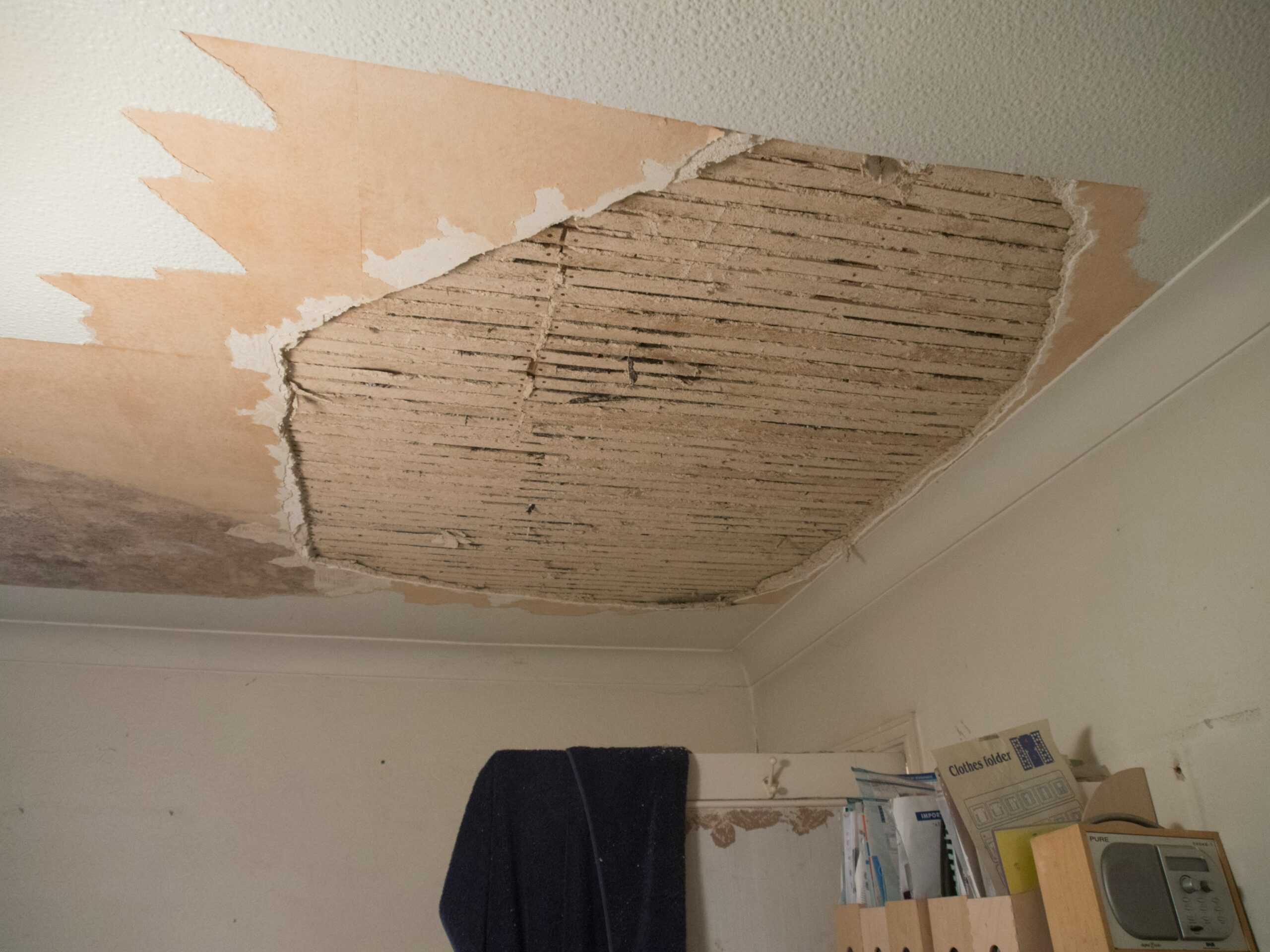
  5. Maintenance and Repair Disputes: Helping resolve conflicts over property upkeep responsibilities. We clarify obligations under the RTA and local bylaws, and assist in negotiating resolutions to ensure properties are kept in good repair.
  6. Rent Increase Disagreements: Ensuring rent increases comply with Ontario regulations and mediating related disputes. We help navigate the complexities of allowable rent increases and guide clients through the process of challenging or implementing increases.
  7. Human Rights Issues: Addressing discrimination or harassment complaints in rental situations. We are well-versed in human rights legislation as it applies to housing and can provide guidance on these sensitive issues.
  8. Property Repossession for Personal Use: Assisting landlords who need to reclaim their property for personal use while ensuring compliance with legal requirements. We help navigate the specific rules and notice periods required for this process.
  9. N12 Form: We help you Regain Possession of Your Rental Property by filling using the N12 Loophole 
 

Each of these issues requires a nuanced understanding of both the RTA and the specific procedures of the Landlord and Tenant Board (LTB). Our expert landlord and tenant paralegal services encompass all these areas, ensuring that clients receive comprehensive and effective representation.

Contact YLAW today and discover how we can assist you with your landlord and tenant paralegal case today.

What to Do Next:
Taking Action in Landlord-Tenant Disputes

If you’re facing a landlord-tenant issue in Ontario, taking prompt action is crucial. Here are the steps you should consider:

  1. Review Your Lease Agreement: Familiarize yourself with the terms of your rental agreement. Understanding your contractual obligations and rights is the first step in addressing any dispute.
  2. Document Everything: Keep records of all communications, payments, and incidents related to your tenancy. This includes emails, text messages, rent receipts, and photographs of property conditions. Thorough documentation can be crucial evidence if your case goes to the LTB.
  3. Understand Your Rights: Research the basic rights and obligations of landlords and tenants under the RTA. While this won’t replace professional legal advice, having a general understanding of the law can help you make informed decisions.
  4. Attempt Communication: Try to resolve the issue directly with the other party if possible. Often, open and respectful communication can lead to mutually agreeable solutions without the need for formal legal proceedings.
  5. Seek Professional Advice: This is where our expertise becomes invaluable. Consulting with a paralegal can help you understand your rights, obligations, and the potential outcomes of your case. We can provide a clear picture of your legal position and guide you on the best course of action.
  6. Prepare for LTB Proceedings: If necessary, ensure all required documents are prepared accurately and filed within the specified timelines. Our team can assist you in navigating this process, ensuring that your case is presented effectively to the Board.
 

Don’t let the complexities of landlord-tenant law intimidate you. With our landlord and tenant paralegal services, you can approach your dispute with confidence, knowing you have expert guidance every step of the way. We strive to provide clear, practical advice tailored to your specific situation, helping you make informed decisions throughout the legal process.

Remember, timely action is often crucial in landlord-tenant disputes. Delays can sometimes weaken your position or even result in the loss of certain legal rights. By seeking professional help early, you can often prevent issues from escalating and find more favorable resolutions.

Your path to resolving landlord and tenant paralegal issues in Ontario starts here. Don’t wait – reach out today and take the first step towards resolving your dispute with the support of a trusted landlord and tenant paralegal. Our team is ready to listen to your concerns, assess your case, and provide the expert guidance you need to navigate Ontario’s complex landlord-tenant laws.

For more information about our paralegal practices, visit our article on what paralegals can do in Ontario. Let us help you protect your rights and interests in your rental relationship, whether you’re a landlord safeguarding your property investment or a tenant ensuring your home remains secure and comfortable.

Landlord or Tenant: We Act on Both Sides

YLAW takes instructions from both landlords and tenants, and that is deliberate. Acting on both sides of the Landlord and Tenant Board means knowing how the other side builds a case — which notices survive scrutiny, and which ones fail on a technicality before the merits are ever reached.

For a landlord, that means notices and applications drafted to hold up. For a tenant, it means knowing precisely where a landlord’s paperwork is weak. In either case you will be told plainly, at the outset, which of those two positions you are actually in — before money is spent on a hearing.

Which Form, Which Notice, Which Forum

Most landlord and tenant matters in Ontario are decided on the paperwork long before anyone speaks at a hearing. The wrong form, a miscalculated termination date, or service by the wrong method will usually end an application no matter how strong the underlying facts are.

Notices a landlord serves

Notices and applications a tenant files

The Board or Small Claims Court?

This is where landlords most often go wrong, and the answer changed in 2021. It used to be that once a tenant moved out, the Board lost the money claim and the landlord had to sue in Small Claims Court. That is no longer correct. A landlord can now apply to the Landlord and Tenant Board against a former tenant using Form L10 — for arrears, NSF charges, utilities and damage — provided the tenant moved out on or after 1 September 2021, and provided the application is filed within one year of the move-out date.

Two numbers decide the rest. The Board will not order more than $50,000 on that kind of application, and once it has made an order, any claim above $50,000 is gone. Ontario’s Small Claims Court limit also rose to $50,000, on 1 October 2025. So for most residential arrears the two forums now reach the same ceiling, and the choice turns on timing, evidence and enforcement rather than on the amount at stake. Our guide to suing for unpaid rent in Ontario sets out the trade-offs, and Daniel English is licensed to appear in both.

Landlord and Tenant Paralegal: Common Questions

Can a paralegal represent me at the Landlord and Tenant Board?
Yes. Paralegals in Ontario are licensed and regulated by the Law Society of Ontario, and are authorised to appear at the Landlord and Tenant Board and in Small Claims Court, to draft and serve notices, and to give legal advice on residential tenancy matters.
Do you act for landlords, or for tenants?
Both, depending on the case. We cannot act for both sides of the same dispute, so the first conversation establishes which side we are on. Many firms take only one side; acting on both is what keeps us honest about the strength of a file.
My tenant moved out owing rent. Is it too late to do anything?
Probably not. If the tenant moved out on or after 1 September 2021, a landlord can apply to the Landlord and Tenant Board using Form L10 to collect arrears, NSF charges, utilities and damage — but the application has to be filed within one year of the move-out date. Miss that window and Small Claims Court is the remaining route.
How much can I claim?
Up to $50,000 in either forum. The Board will not order more than $50,000 on a former-tenant application, and Ontario’s Small Claims Court limit rose to $50,000 on 1 October 2025. If the true loss is materially higher, the claim belongs in the Superior Court and you should say so before anything is filed.
I have been served an N12. Do I have to move out?
Not on the notice alone. An N12 is a notice, not an eviction order — only the Board can order a tenant to leave, and only after a hearing. A tenant served with an N12 is also entitled to compensation of one month’s rent, or an acceptable alternative unit, before the termination date.
I have been served an N5. What happens next?
A first N5 can be voided. The tenant has seven days to correct the behaviour or repair the damage set out in the notice, and if they do, the notice is void and the tenancy continues. A second N5 served within six months works differently and cannot be voided the same way.
Can I be evicted for complaining about repairs?
The Residential Tenancies Act requires the Board to refuse an eviction application if it finds the application was brought because the tenant complained to a governmental authority about maintenance, or attempted to secure or enforce their legal rights. Proving that is evidential work, which is why the paper trail matters so much.
How long does it take to get a hearing at the LTB?
Longer than most people expect, and the wait varies by application type and by how the file is scheduled. That delay is itself a strategic factor — it changes what a reasonable settlement looks like for both sides. Our guide to the LTB hearing process explains how a hearing actually runs and what to bring.
Do I have to attend the hearing if you represent me?
A representative can appear for you, but in most contested matters your own evidence is the case, so attendance is usually advisable. Where attendance is genuinely impractical we will tell you what that costs the file before you decide.
What does it cost?
It depends on whether the matter settles, goes to one hearing, or runs longer, and on the Board or court filing fees that apply. The first 15-minute call is free and is used to tell you what the realistic range is for your situation — including when the honest answer is that the matter is not worth running.
MAKE THE CALL
Get A Free Consultation!
MAKE THE CALL
Risk Free Consultation!