
Spotlight on Human Rights Issues: How to Recognize a Violation
Would you recognize a human rights issue if it happened in your own backyard? For many Canadians, human rights issues feel distant or abstract—but these violations can undermine the rights and dignity we often take for granted. At its core, human rights are basic entitlements and freedoms that belong to everyone, regardless of race, gender, religion, or status.
A human rights violation occurs any time someone is denied their fundamental rights to life, equality, safety, dignity, or opportunity—simply for being human. These issues include everything from discrimination at work or school to violations like restricted speech, unfair dismissal from employment, or lack of access to vital services. Understanding what counts as a human rights violation is the first step towards protecting yourself and your community.
Human rights issues aren’t just theoretical: They threaten civil rights like free speech, voting, and privacy; political freedoms such as protection against torture or arbitrary arrest; plus economic, social, and cultural rights like safe housing, education, healthcare, and equal opportunity. In fact, even being denied safe, discrimination-free housing or fair treatment at work may be a sign that your rights are under threat. If you’re encountering trouble at work, check if it may fall under constructive dismissal or highlights larger systemic issues.
Why do these human rights issues persist in Canada and beyond? Power imbalances, ongoing discrimination, and silence bystanders all contribute. Sometimes, violations are a result of overt acts—like harassment or violence. Other times, they’re caused by government or corporate failure to protect citizens, or simply by lack of awareness and advocacy. Silence can be just as damaging as action; that’s why learning to recognize and respond to human rights issues is essential.
If you suspect you’ve experienced discrimination or a violation of your basic rights, consider exploring the resources and guides at the Human Rights Tribunal of Ontario, or consult with a defamation paralegal for reputation-related issues. By empowering yourself with knowledge, you can make a real difference in your own life and help others facing similar human rights issues.
Categories of Human Rights Issues: From Free Speech to Equal Opportunity
Human rights issues are often grouped into two main categories—civil and political rights, and economic, social, and cultural rights. Understanding these differences is key to spotting violations in everyday life. Civil and political rights, sometimes called “negative rights,” protect individuals from unwarranted interference by authorities. These include freedoms such as expression, assembly, privacy, and fair legal process. For example, censorship of journalists or criminalization of peaceful protests are direct human rights issues impacting civil liberties. If you or someone you know experiences arbitrary dismissal or workplace discrimination, this could indicate a violation protected under the Employment Standards Act.
On the other hand, economic, social, and cultural rights—often considered “positive rights”—require governments to take proactive steps to ensure equal opportunity and fair conditions. Examples of these human rights issues include barriers to accessing safe housing, education, food, or healthcare. Persistent wage theft, unsafe working environments, or lack of paid leave all signal ongoing problems. For employees in Ontario, understanding your right to claim unpaid wages or to challenge constructive dismissal can be crucial in upholding your dignity and well-being.
Recent stats from organizations such as Human Rights Watch reveal troubling trends worldwide. Freedom of expression is suppressed in nearly half of all nations, and millions still lack adequate access to safe working conditions or essential services. But human rights issues are not limited to faraway countries—they can show up right here in Ontario. For instance, problems with property rights or unsafe rental housing may stem directly from failures to protect economic and social rights.
Learning to spot these hidden human rights issues is a powerful reward for staying informed. By recognizing when your freedom of speech is stifled, your job security is threatened, or housing is denied, you become equipped to take meaningful action. For everyday examples and detailed guidance, reviewing Ontario’s own property damages rights or the Condominium Act can open your eyes to subtle but significant human rights issues in your community.
Still unsure whether what you’re seeing or experiencing counts as a human rights issue? Begin by comparing local events to the international principles outlined by the Office of the UN High Commissioner for Human Rights or the work of global human rights defenders for clarity and inspiration.
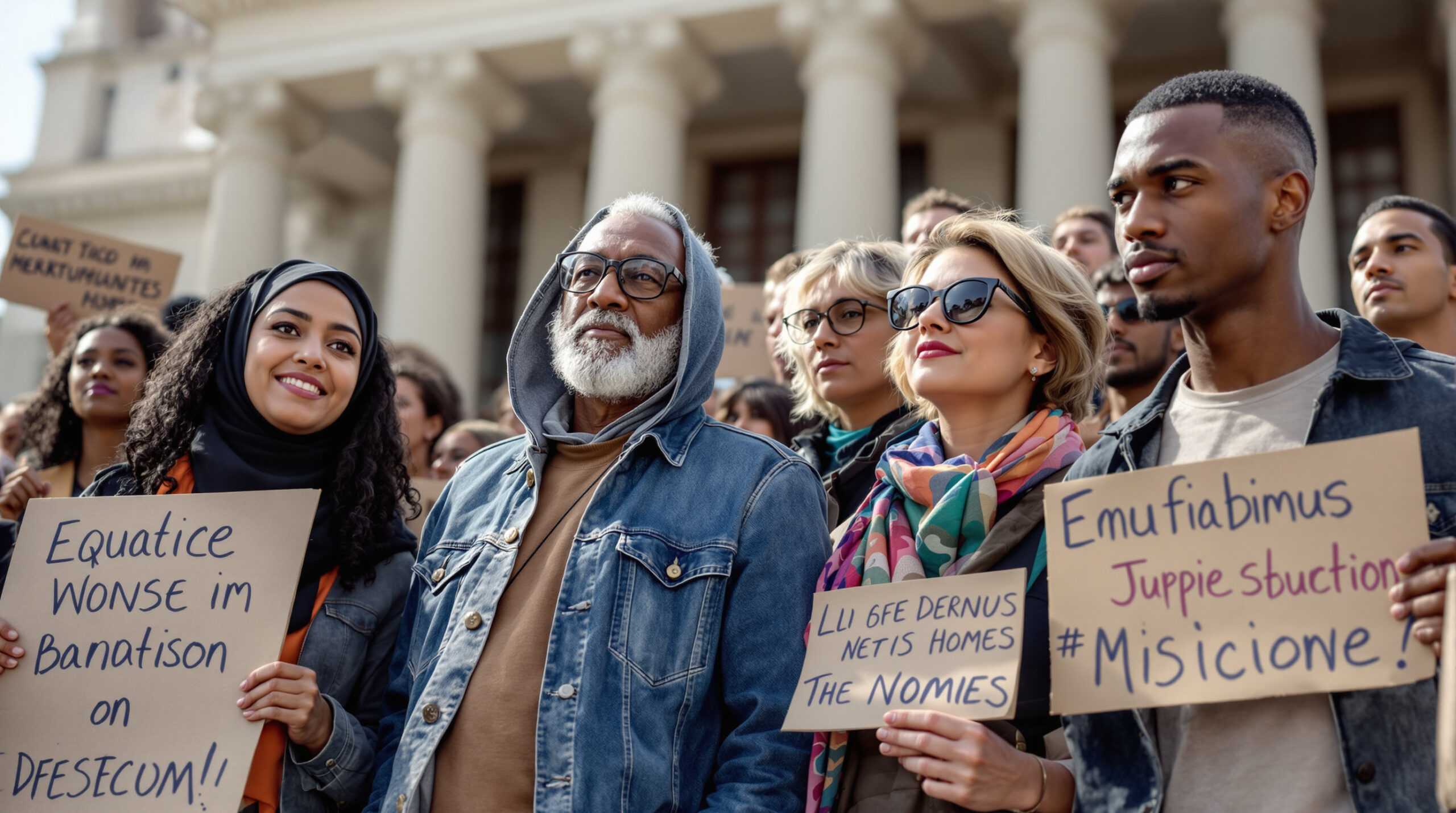
Who Faces Human Rights Issues the Most?
Which Groups Are Most Affected by Human Rights Issues?
Human rights issues impact everyone, but some groups feel these violations more intensely due to discrimination, social exclusion, and systemic barriers. In Canada and globally, women and girls often confront gender-based violence, pay inequality, and unequal access to opportunities. LGBTQ+ individuals may face criminalization or denial of services, especially transgender people facing targeted hate and social exclusion. Racial and ethnic minorities are also at greater risk for hate crimes, police discrimination, and legal injustices.
Understanding Intersectionality and Human Rights Issues
Intersectionality recognizes that people may experience human rights issues in overlapping ways—imagine a young migrant woman with a disability, for example. Each part of her identity increases the risk of facing rights violations, from barriers to education to housing denial or labor exploitation. These compounding vulnerabilities make it critical to consider each individual’s experience when addressing human rights issues.
Real Stories and Reward: Overcoming Human Rights Issues
Human rights issues extend to migrants, refugees, and people fleeing war or persecution, who may endure family separation, unsafe housing, or statelessness. Children, too, are often exploited through child labor, early marriage, or educational barriers. Even in Ontario, people living in poverty regularly encounter systemic neglect—making everyday survival a struggle. Knowing that change is possible offers hope: from access to the right resources to community support, anyone can become an advocate or find support when affected by human rights issues.
Global Patterns in Human Rights Issues: What’s Happening and Why It Matters Now
Human rights issues don’t respect borders. Around the world, violations are rising—shaped by conflict, climate, technology, and deepening social divides. Amnesty International’s recent global report spotlights a surge in repression: from crackdowns on protests to censorship of media and digital communications, citizens everywhere are encountering shrinking civic space and suppressed dissent.
Armed conflict remains one of the most alarming sources of human rights issues. In places like Ukraine and the Democratic Republic of Congo, indiscriminate attacks and the targeting of civilians have been flagged as possible war crimes by organizations such as Human Rights Watch. Many experience forced displacement, family separations, and the trauma of ongoing violence, which often go unseen in everyday headlines.
Discrimination continues to shape human rights issues in both developing and advanced economies. Attacks on LGBTQ+ rights, rollbacks of reproductive freedoms, and ongoing systemic racism remind us these challenges aren’t distant—they resonate in North American communities, too. As climate change accelerates, nations failing to address environmental harm may also be breaching international human rights obligations.
Canada, while seen globally as a progressive example, still struggles with its own human rights issues—from Indigenous land rights conflicts to housing affordability. If you or your community faces property injustices, reviewing your rights around the Trespass to Property Act or seeking clarity on property boundaries and access can be crucial first steps. Often, the most impactful changes begin with local action, making global human rights issues everyone’s concern.
Taking Action on Human Rights Issues: Practical Tips, Tools, and Where to Get Help
Recognizing human rights issues is only the first step—taking action is where real change begins. Whether you’re facing discrimination, unsafe conditions, or any other human rights violation, here are effective ways to respond, protect yourself, and help others in your community:
Triggers for Action: When to Act on Human Rights Issues
- You’ve experienced harassment, discrimination, wage theft, or unfair dismissal at work.
- Your property or housing rights are ignored or violated, including unlawful evictions.
- Freedom of expression, protest, or access to essential services is limited or denied.
- You witness violence or systemic neglect affecting marginalized groups.
Steps for Protecting Yourself and Others
- Contact dedicated human rights organizations, like Amnesty International or the UN Human Rights office.
- Report violations directly to a tribunal, such as the Human Rights Tribunal of Ontario.
- Join or support local mutual aid networks that provide resources and solidarity for those facing human rights issues.
- Participate in safe, peaceful protests or online campaigns to raise public awareness.
How to File Complaints or Seek Legal Support
- Document what happened—keep written records, photos, and communications.
- Use paralegal services or legal clinics with experience handling wrongful dismissal or workplace discrimination, or claims under the Employment Standards Act.
- If your issue concerns property or landlord/tenant matters, review support under the Condominium Act or for property damages.
Exclusive Tips for Navigating Human Rights Issues
- Stay proactive: Don’t wait for someone else to speak up for your rights.
- Vet organizations and paralegals before you share sensitive information.
- Protect your privacy online when discussing human rights issues publicly or in forums.
- Access free educational materials at UN Human Rights and Human Rights Watch.
Book Your Free 15-Minute Action Call Now
Don’t let a human rights dispute or stressful eviction situation drag you down. In just 15 minutes, you can get real answers and an immediate action plan for your unique case from a trusted YLAW paralegal expert.
👉 Call us today at 1-437-995-9529 or click here to book your free call. Get clarity, protect your interests, and move forward with confidence.